The Best Season for a Bali Superyacht Charter: The May to October Dry Weather Window
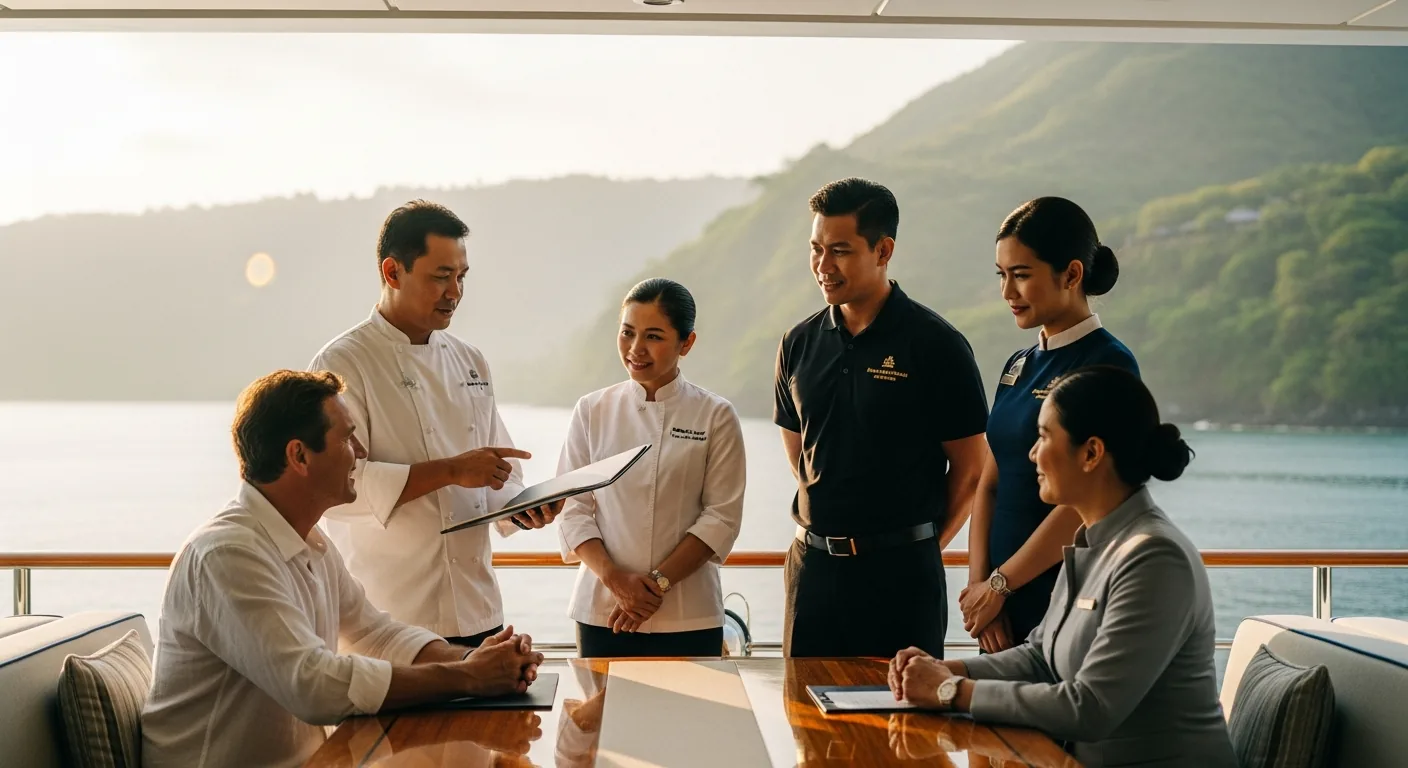
The low hum of the twin Caterpillar C32 engines is a subtle vibration through the teak deck. Morning air, still cool from the night, carries the scent of salt and a distant offering of frangipani from the shore. As the tender pulls away from the private jetty at Benoa Harbour, the 55-meter motoryacht ahead resolves into sharp focus against the nascent blue of a Bali morning. The sun has not yet crested Mount Agung, but the sky is clear, promising a day of untroubled passage. This placid scene, this perfect departure, is not a matter of fortune; it is a function of precise, deliberate timing. See also: Bali Superyacht Charter About.
The Critical Question: Timing a Superyacht Charter in the Indonesian Archipelago
Indonesia is not a monolith. It is an intricate filigree of 17,508 islands straddling the equator, governed by complex, often contradictory, weather systems. The primary consideration for any serious maritime expedition here is the monsoon. The archipelago is broadly defined by two seasons: a wet season, typically from November to April, characterized by northwesterly winds, higher humidity, and significant rainfall; and a dry season, from May to October, with southeasterly trade winds, lower humidity, and clear skies. For a client investing in a multi-week private megayacht charter, navigating this dichotomy is the foundational decision upon which all others rest.
The challenge extends beyond a simple wet-or-dry binary. Microclimates abound. The seas around Raja Ampat, for instance, operate on a reversed seasonal calendar to the Lesser Sunda Islands. A plan for a seamless charter from a Bali base to the UNESCO World Heritage site of Komodo National Park can be compromised by volatile shoulder-season seas or the oppressive humidity of the wet season, impacting everything from guest comfort on the sun deck to the viability of helicopter operations. The goal for any uhnw bali yacht itinerary is not merely to avoid storms, but to secure a period of sustained calm and clarity that allows for an unscripted, fluid exploration of the world’s most biodiverse marine environment.
“Clients chartering a vessel over 40 meters in Indonesia are not just buying a vacation; they are commissioning an expedition. The single most important variable we control is the timing. May through October provides the stable atmospheric canvas required for this level of travel.” See also: book Contact.
May to October: A Climatological Analysis for the Discerning Traveler
The period from May to October is consistently the preferred window for a superyacht Indonesia charter originating from Bali and heading east towards Komodo, Flores, and the Alor archipelago. This preference is rooted in empirical meteorological data. During these months, the southeast trade winds, known locally as the angin timur, create predictable and favorable conditions.
Key environmental factors during this season include:
- Sea State: The prevailing southeasterly winds typically generate calmer seas in the lee of the Lesser Sunda Islands, which form the most popular cruising grounds. Passages across the Lombok Strait and into the Flores Sea are generally smooth, minimizing motion and maximizing guest comfort.
- Visibility: Both atmospheric and underwater visibility are at their peak. The lack of rain runoff from the islands means the water is clearer, with visibility at premier dive sites like Batu Bolong and Crystal Rock in Komodo National Park often exceeding 30 meters.
- Temperature and Humidity: Air temperatures remain a consistent 28-31°C, but the humidity drops significantly. This creates a more pleasant environment for on-deck dining, shore excursions to view the Komodo dragons on Rinca Island, or trekking on Padar Island.
- Sunlight: Days are characterized by prolonged, brilliant sunshine, ideal for photography and fully appreciating the dramatic volcanic landscapes that define the region.
According to Captain Made Arimbawa, a veteran captain with over 15 years of experience navigating these waters, “The predictability of the dry season is its greatest asset. We can plan a 10-day itinerary from Benoa to Labuan Bajo with a high degree of confidence, ensuring that anchorages will be sheltered and tender-based excursions to remote beaches are safe and comfortable. This is the professional standard for an ultra luxury yacht bali charter.”
Month-by-Month Itinerary Potential: A Strategic Overview
While the entire May-October window is excellent, specific months offer nuanced advantages for a Bali superyacht charter. The choice often depends on the client’s specific interests, whether they be marine biology, absolute seclusion, or cultural immersion.
May – June: The Verdant Shoulder Season
This early part of the dry season offers a compelling balance. The islands are still lush and green from the preceding rains, creating a visually striking contrast with the turquoise waters. Critically, these months see fewer charter vessels, affording a greater sense of privacy and exclusivity at popular anchorages like Gili Lawa Darat. Water temperatures are a pleasant 27-28°C. This is an ideal time for itineraries focused on Komodo National Park, with a high probability of encountering manta rays at their primary cleaning station, Manta Point. See also: Raja Ampat Megayacht pricing.
July – August: The Peak of Perfection
This is the high season for a reason. Weather conditions are statistically at their most stable, with minimal rainfall and the southeast trades providing a consistent, cooling breeze of 10-15 knots. The seas are at their calmest, making this the optimal time for longer, more ambitious passages, perhaps extending east of Flores to the Alor Archipelago, renowned for its vibrant local cultures and pristine coral reefs. For corporate charters or multi-generational family trips where guaranteed good weather is paramount, July and August represent the lowest-risk, highest-reward period for a private megayacht charter.
September – October: The Season of Giants
As the season winds down, unique opportunities arise. The water remains clear and warm, and the crowds of August have dissipated. This period is particularly noted for increased pelagic activity. It is a prime window for potential whale shark sightings, especially if the itinerary extends further east. The slightly warmer surface water temperatures can also lead to spectacular coral spawning events, a marvel for any experienced diver. For those interested in the macro-fauna of the Coral Triangle, these months provide a distinct biological advantage. See also: see Bali Superyacht Charter’s Home.
| Period | Primary Advantage | Ideal Itinerary Focus | Considerations |
|---|---|---|---|
| May – June | Lush landscapes, fewer vessels | Komodo National Park, Manta Ray encounters | Slight chance of residual shoulder-season showers |
| July – August | Peak weather stability, calmest seas | Long-range passages (Alor), corporate charters | Highest demand; advance booking essential |
| September – October | Increased marine megafauna sightings | Diving-focused trips, whale shark potential | Winds can begin to shift late in October |
Beyond Weather: The Ecological Calendar of the Coral Triangle
The dry season’s significance extends beneath the waves. The calmer, clearer waters create ideal conditions for the proliferation of marine life. The Indonesian archipelago sits at the heart of the Coral Triangle, an area boasting the highest diversity of marine species on Earth, including over 600 species of reef-building coral and more than 2,000 species of reef fish. The May to October period aligns with key biological events. Manta ray aggregations in the Komodo region, for example, peak during these months as the plankton-rich waters, driven by oceanic upwellings, provide a reliable food source. This seasonal alignment of climate and ecology is what transforms a superyacht Indonesia charter from a simple holiday into a profound encounter with the natural world.
Operational Excellence: How Dry Season Conditions Enhance Your Charter
For a 40m+ motoryacht, stable weather is not just about comfort; it is about operational capability. The dry season facilitates a higher standard of service and a broader range of activities. Smoother passages reduce transit times between islands, allowing for more time at anchor. Tender operations, crucial for accessing secluded beaches, sea caves, and dive sites, are safer and more efficient in calm conditions. For yachts equipped with a helipad, the clear skies and predictable winds are essential for safe flight operations, enabling seamless transfers or aerial reconnaissance of the dramatic topography. This operational certainty is a core component of the uhnw bali yacht experience, ensuring that the vessel and its crew can deliver on the client’s expectations without compromise.
Securing Your Preferred Vessel and Itinerary for the Prime Season
The superiority of the May to October window is well-established within the global yachting community. Consequently, demand for the premier vessels based in Southeast Asia is exceptionally high during this period. Securing a specific motoryacht, particularly one in the 50m to 70m range, for a charter in July or August often requires booking 9 to 12 months in advance.
The process begins with a detailed consultation to understand the client’s objectives. Are they seeking a family-oriented adventure with watersports, a dedicated dive expedition, or a discreet corporate retreat? This initial brief allows our charter specialists to match the client with the ideal vessel and craft a preliminary itinerary that aligns with the optimal seasonal window.
At Bali Superyacht Charter, we provide a direct, expert-led approach to planning and execution. Our deep regional knowledge, cultivated over years of operating exclusively in Indonesian waters, allows us to anticipate challenges and unlock opportunities that others cannot. We manage every detail, from provisioning with specific fine wines to coordinating with marine biologists for private onboard lectures.
To begin the conversation about your private charter during Indonesia’s prime season, please contact our charter management team.
- Phone: +62 811-3941-4563
- Email: bd@juaraholding.com
- Office: Jalan Sunset Road No. 88, Kuta, Badung, Bali 80361, Indonesia
By James Abernathy, Senior Travel Editor.